Rome
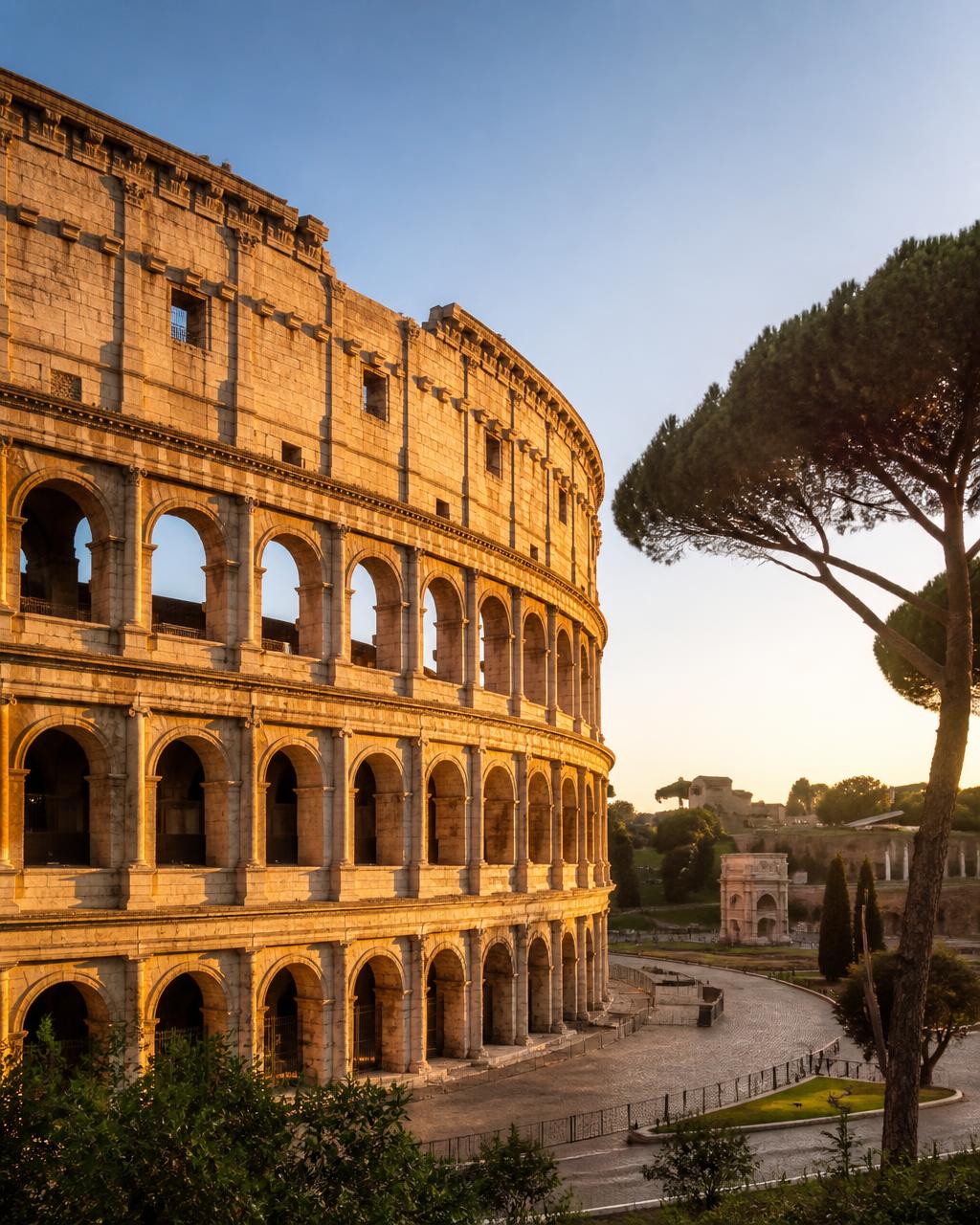
Two to three full days cover the essentials: the Vatican Museums and St Peter's, the Colosseum and the Roman Forum, the Pantheon and the baroque squares from Navona to the Trevi Fountain, and an evening in Trastevere.
Reserved entry times are essential for the Vatican Museums and the Colosseum, and both are best at opening or in the last slot of the day. The historic centre is walkable, but distances add up; the two metro lines and short taxi hops save the legs.
Rome is the natural start or end of almost any Italian itinerary, with a major international airport and fast trains north to Florence in ninety minutes and south to Naples in just over an hour.
Naples and Pompeii
Naples rewards travellers who give it a night rather than a stop. The historic centre is dense and theatrical, the National Archaeological Museum holds the finest mosaics and frescoes lifted from Pompeii, and the food, from pizza to sfogliatella, is a reason in itself.
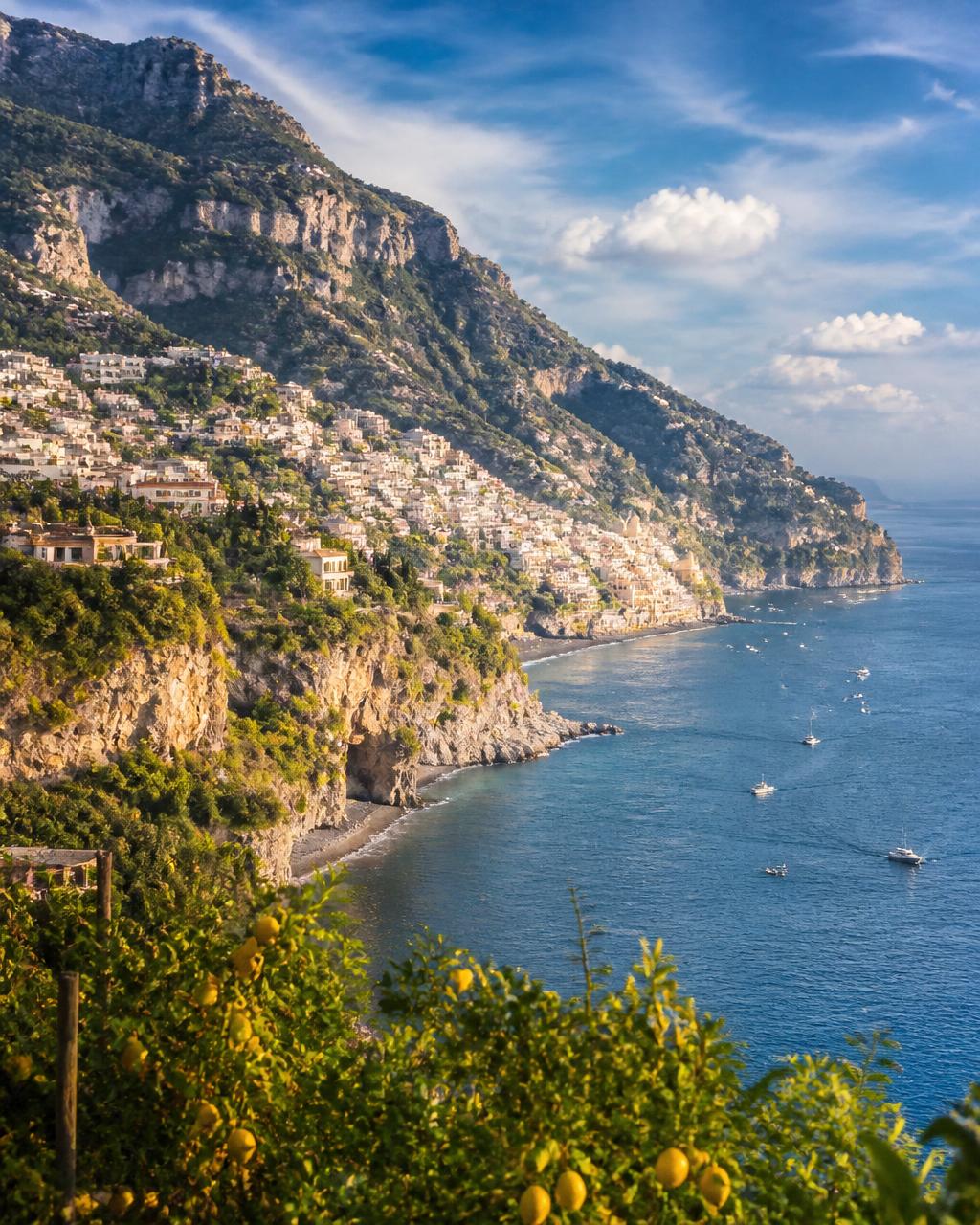
It is also the best base for Pompeii and Herculaneum, both twenty to forty minutes by train, and for the islands of the bay and the Amalfi Coast. Herculaneum is smaller and better preserved; Pompeii is vast and needs a guide and comfortable shoes.
Two nights is enough for the city plus one archaeological site; three if you want the coast as well.
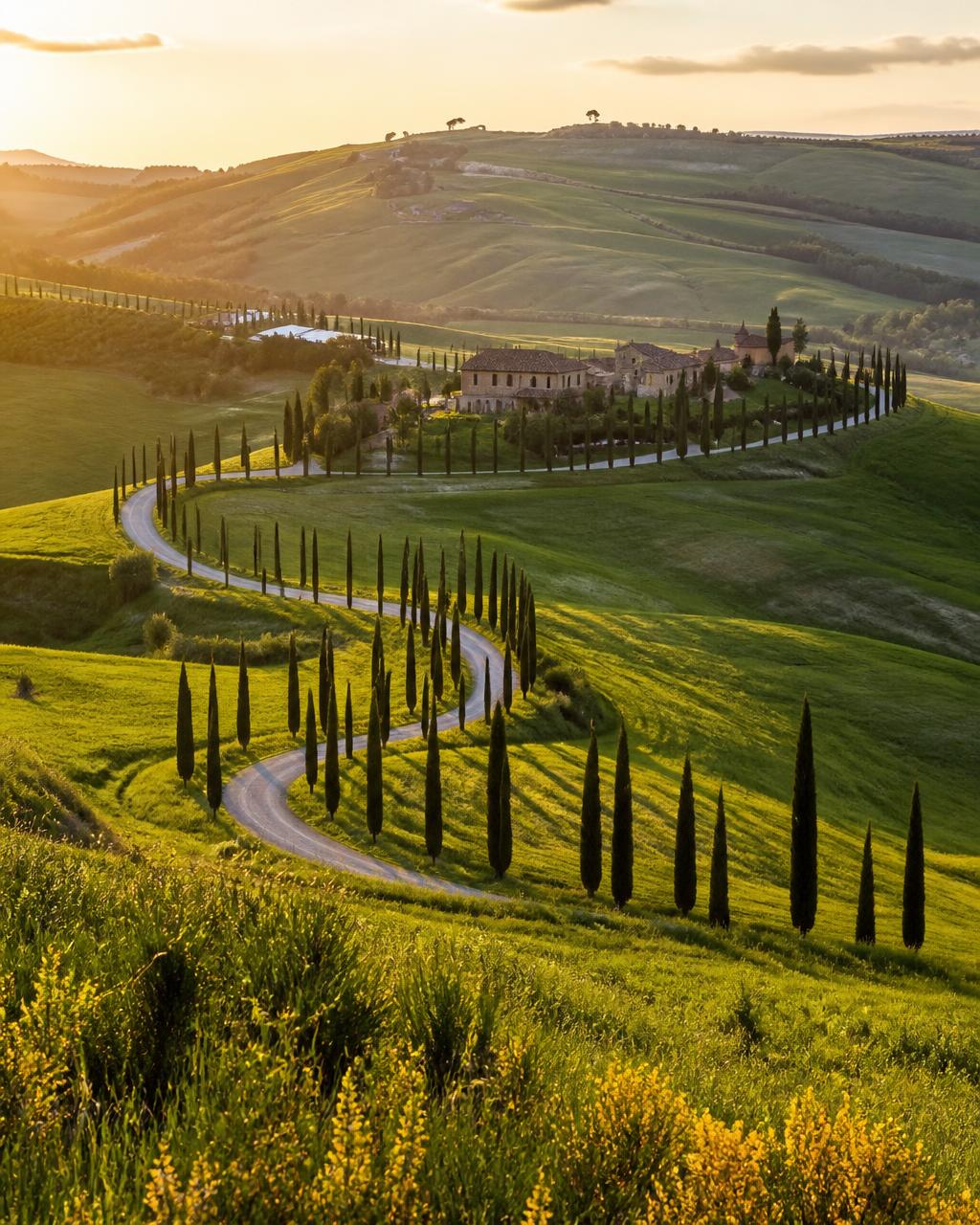
Florence and Siena
Florence is compact enough to cross on foot in half an hour. The Uffizi and the Accademia require booked slots, the Duomo complex needs a combined ticket for the dome climb, and the Oltrarno across the river is where the workshops and the quieter restaurants are.
Two full days suit most travellers, three if you want a day trip. Siena, an hour away by road, keeps its medieval centre intact around the shell-shaped Piazza del Campo and can be seen in a long afternoon, though it is far better with an overnight once the day visitors leave.
Both work as bases for the Chianti wine roads and the Val d'Orcia, which is why our Tuscany programmes usually split nights between a city and the countryside.
Verona, Milan and Bologna
Verona pairs a Roman arena, still used for summer opera, with a walkable old town of marble streets and piazzas. One night is enough, and it sits conveniently between Venice, Lake Garda and the Dolomites.
Milan works best as a gateway. The Duomo and its roof terraces, the Galleria and Leonardo's Last Supper, which must be booked weeks ahead, fill a day comfortably, and the city has the fastest connections to the lakes, the Aosta Valley and the rest of Europe.
Bologna is the food capital: porticoed streets, the Quadrilatero market, and tagliatelle al ragù made properly. It is also the rail hub of northern Italy, half an hour from Florence and an hour from Milan or Venice, which makes it an easy extra night on a multi-region journey.
How the cities fit together
Fast trains connect Milan, Bologna, Florence, Rome and Naples along one line, so a classic first trip strings three or four of them together with a countryside stay in between. Adding Venice or Verona extends the same line north-east without backtracking.
As a rule of thumb: one region for a week, two for ten days, three only when the connections are fast. City nights are best broken up with two or three nights somewhere slower, in Tuscany, on a lake or on the coast.
Most of our escorted tours already combine cities and countryside this way, and every one of them can be extended with private days before or after.