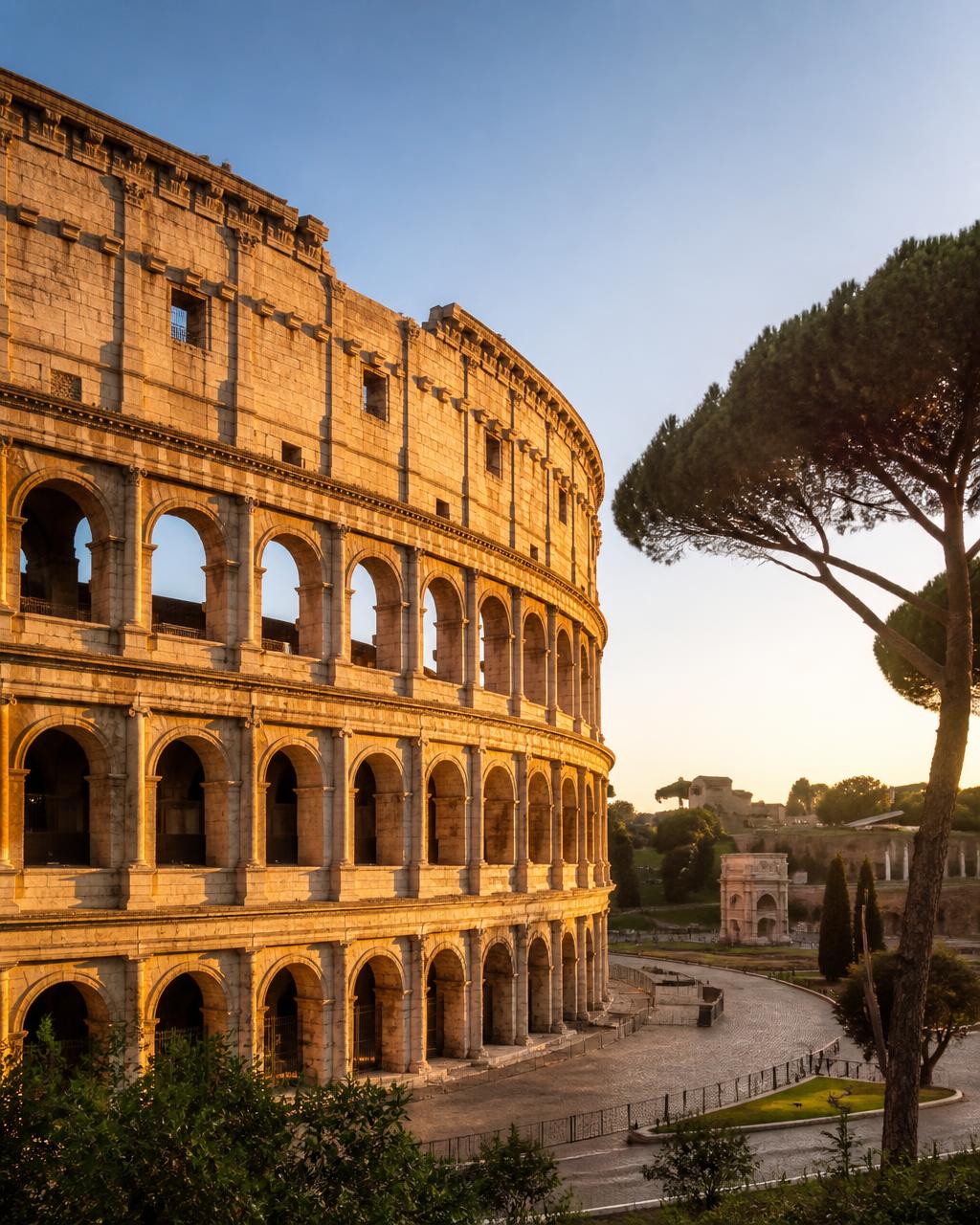
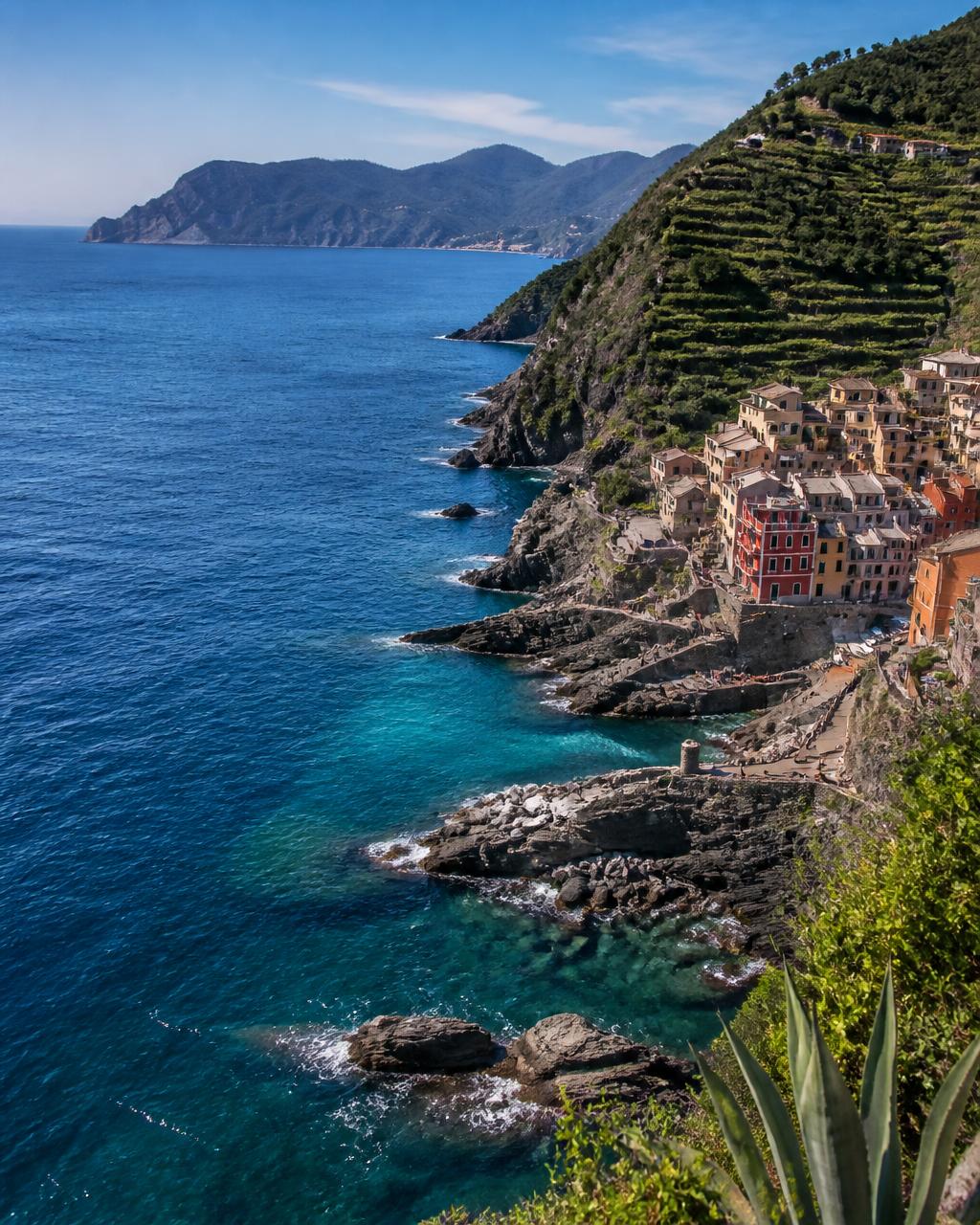
Spring, April to June
The most balanced season almost everywhere. April brings mild days to the cities, Easter crowds in Rome and Florence, and wildflowers in the south. May is arguably the best all-round month in Italy: warm without being hot, long daylight, countryside at its greenest and the sea starting to be swimmable in Sicily and Puglia.
June is the last comfortable month before high summer. The Amalfi Coast, Tuscany, Puglia and Sicily are all pleasant, and the art cities are busy but manageable if you book entry times.
In the mountains, spring arrives late. High trails in the Dolomites and the Aosta Valley can hold snow until the third week of June, and some lifts and huts only open at the end of the month.
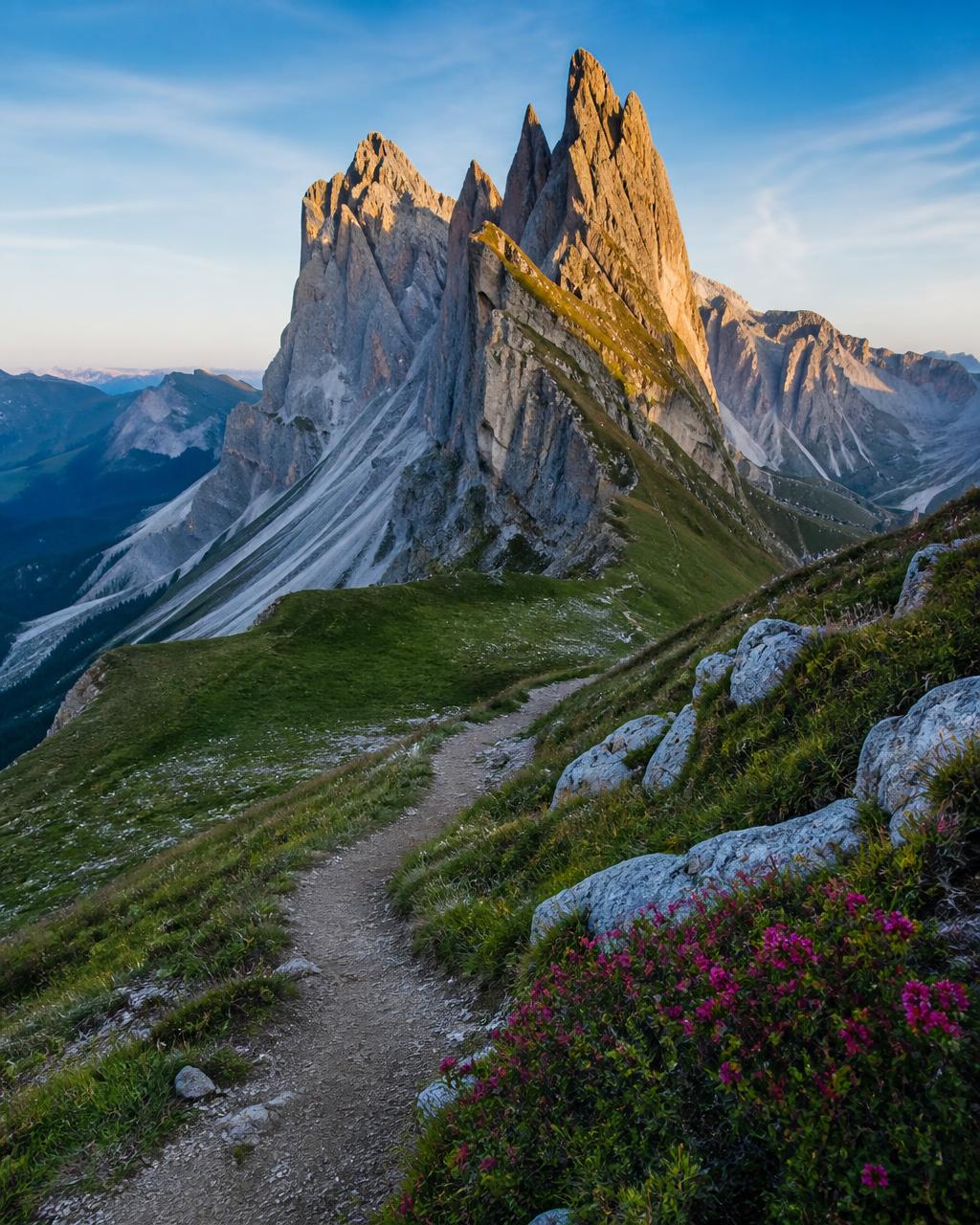
Summer, July and August
This is when the mountains come into their own. The Dolomites, the Aosta Valley and the lakes are at their best: huts open, lifts running, evenings cool enough to sleep. It is the only season in which the high routes are reliably clear.
In the south it is a different story. Rome, Naples, Sicily and the archaeological sites are hot from late morning to late afternoon, often above 35 degrees, and shade at Pompeii or Agrigento is scarce. We plan those visits at opening time or in the last hours of the day.
August is also when Italians take their own holidays. The coast is at its busiest and most expensive, while cities empty out and some family-run restaurants and shops close for two or three weeks around Ferragosto on 15 August.
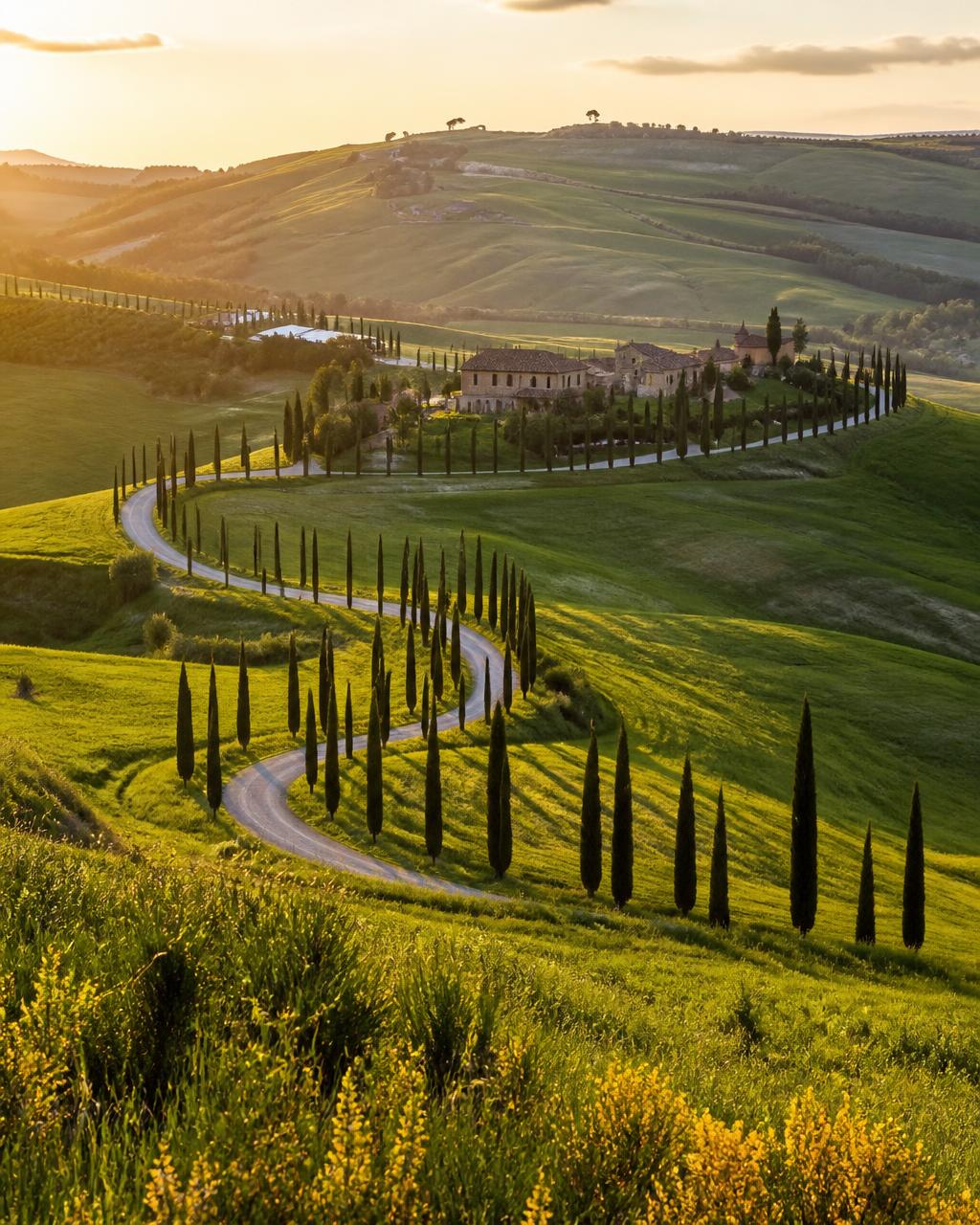
Autumn, September and October
September is the quiet favourite: the sea is still warm, the light is softer, prices ease after the first week and the crowds thin noticeably. It is one of the best windows for cycling in Tuscany and around Lake Garda, and for touring Sicily and Puglia.
October brings the harvest to the vineyards, truffle season to Piedmont and Umbria, and the clearest air of the year in the mountains, though high huts start to close. City touring is at its most comfortable, with museums quiet and hotel rates below summer levels.
Rain becomes more likely from mid-October, particularly in the north and on the Ligurian coast, so an itinerary with indoor alternatives works better than one built entirely around beaches.
Winter, November to March
November is the lowest season almost everywhere: short days, rain in the north, and many coastal hotels closed until Easter. It is also the cheapest time to see Rome, Florence and Venice without queues.
December to March is ski season in the Alps and the Dolomites, running from early December to mid-April at altitude, and to early May at Cervinia. Christmas markets in South Tyrol and Trentino run through Advent.
The art cities are at their most rewarding in January and February: museums without lines, restaurants that have tables and hotel prices at their lowest point of the year. Carnival in Venice and Viareggio is the exception that fills the calendar again in February.
Best time for the Dolomites and the Amalfi Coast
For the Dolomites, July to September for walking and February to March for skiing. Late June is possible but the highest trails may still be under snow, and lifts often start on the last weekend of the month.
For the Amalfi Coast, May, June and September. July and August bring the heaviest traffic on the coast road and the busiest ferries, while from November to March many hotels and restaurants in Positano and Ravello simply close.
For Tuscany and the wine roads, April to June and September to October. For Sicily, April, May, October and the mild winter months; midsummer is best spent on the islands rather than at the inland sites.