Which region to choose
Italy is twenty regions, and the mistake most first-time itineraries make is treating them as one destination. Start from the kind of trip you want rather than from a list of cities.
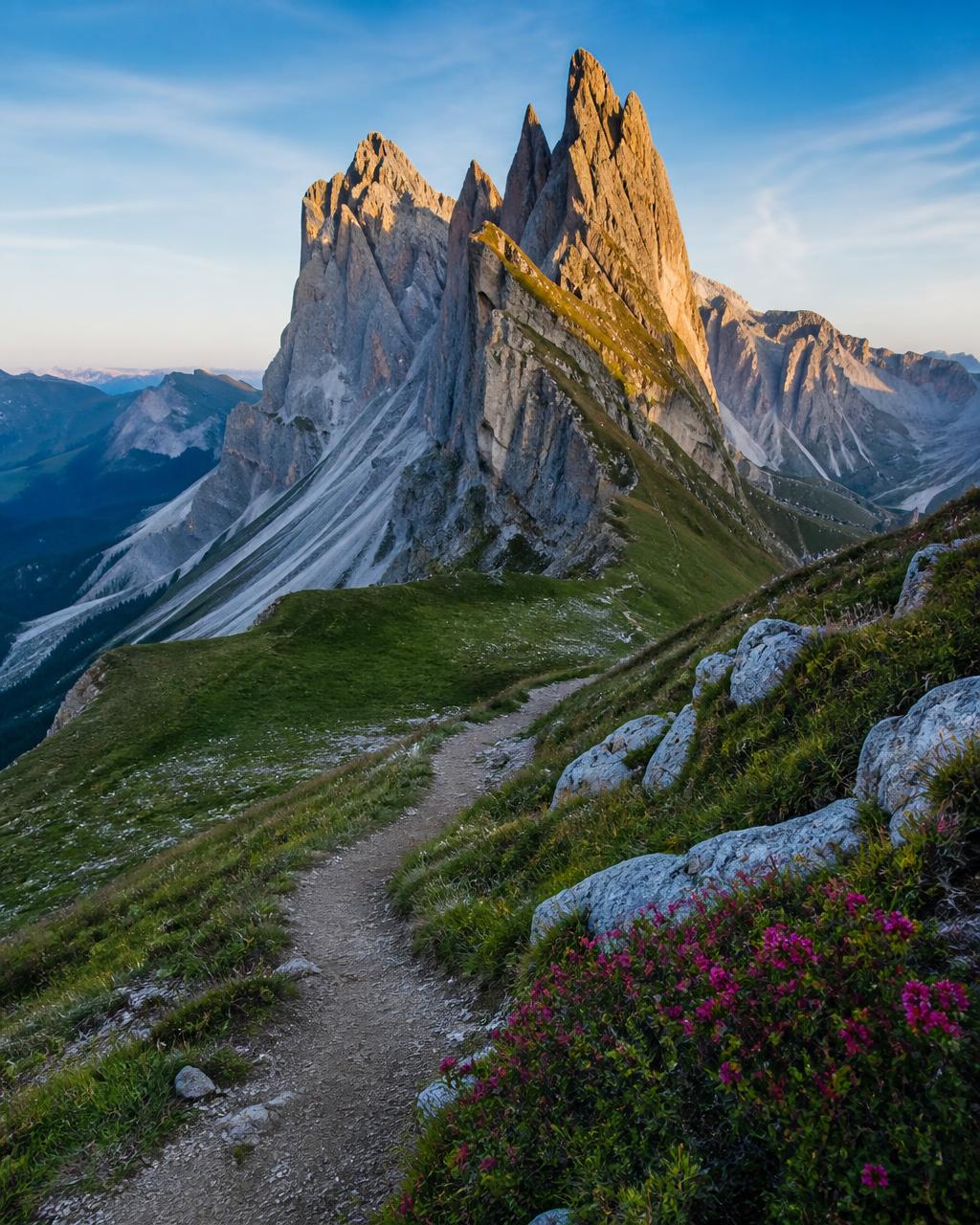
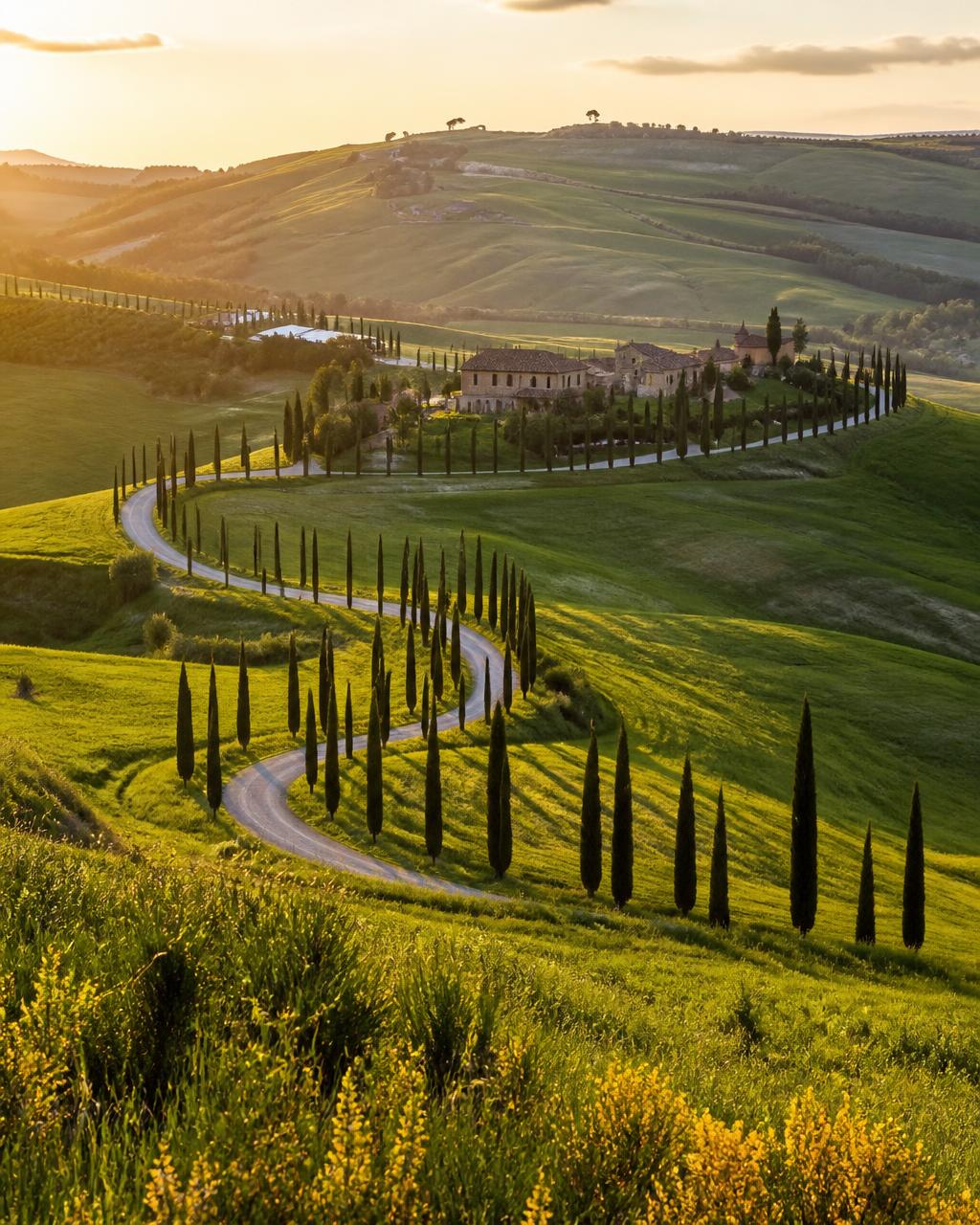
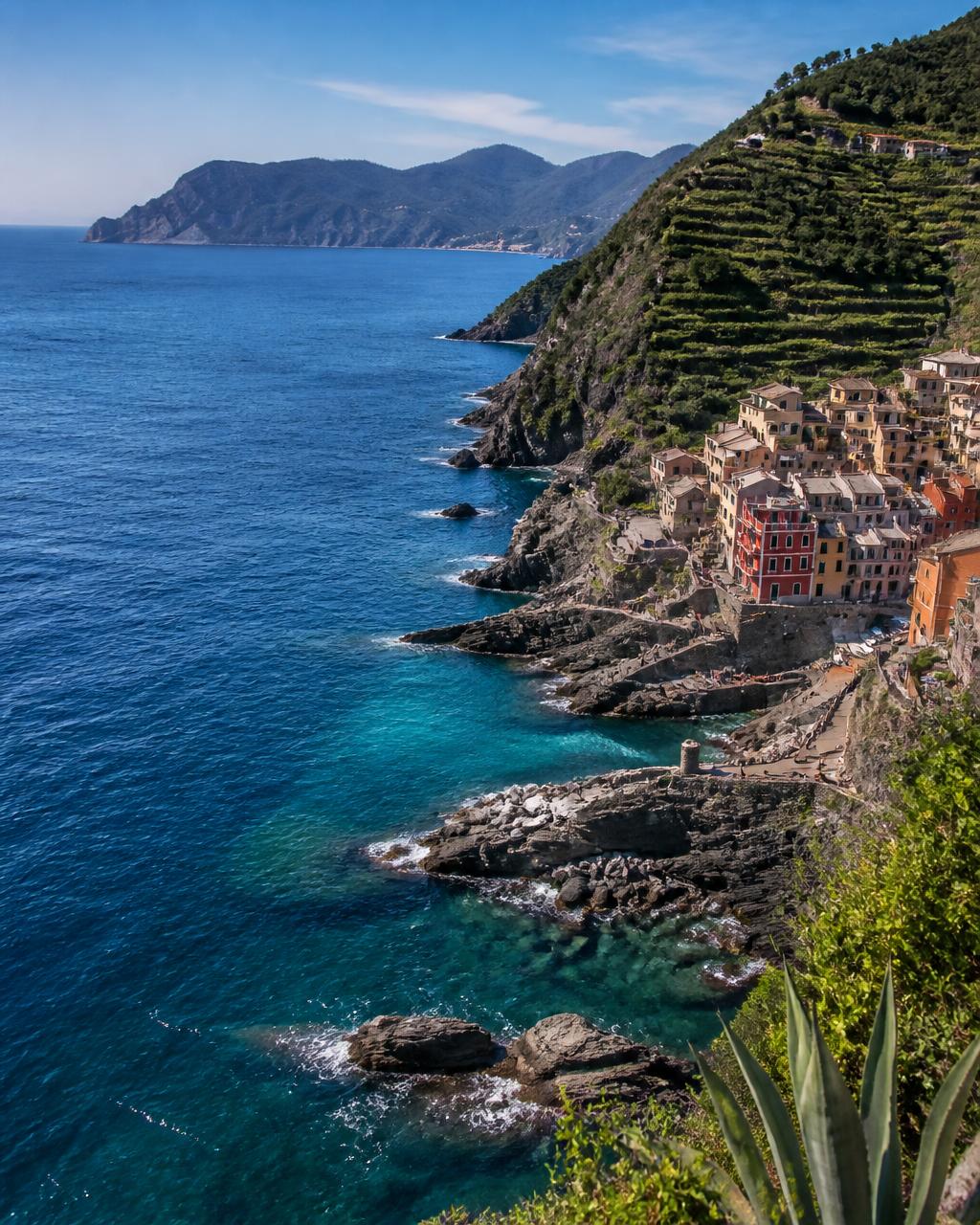
For art and history, the spine of Rome, Florence and Venice is unmatched, with Naples and Sicily close behind for classical sites. For landscape and slow days, Tuscany, Umbria and Puglia. For mountains, the Dolomites and the Aosta Valley. For coast, the Amalfi, the Cinque Terre and the Sicilian and Apulian shores. For food and wine, Piedmont, Emilia-Romagna and the Tuscan wine roads.
A useful filter is season. In July and August the mountains and lakes are far more comfortable than the southern cities; in November and February the art cities are at their best and the coast is closed.
How many days you need
The single most useful figure is how many nights you have on the ground, not how many days your flights span. From there we work backwards: one region for a week, two for ten days, three only when the connections are fast.
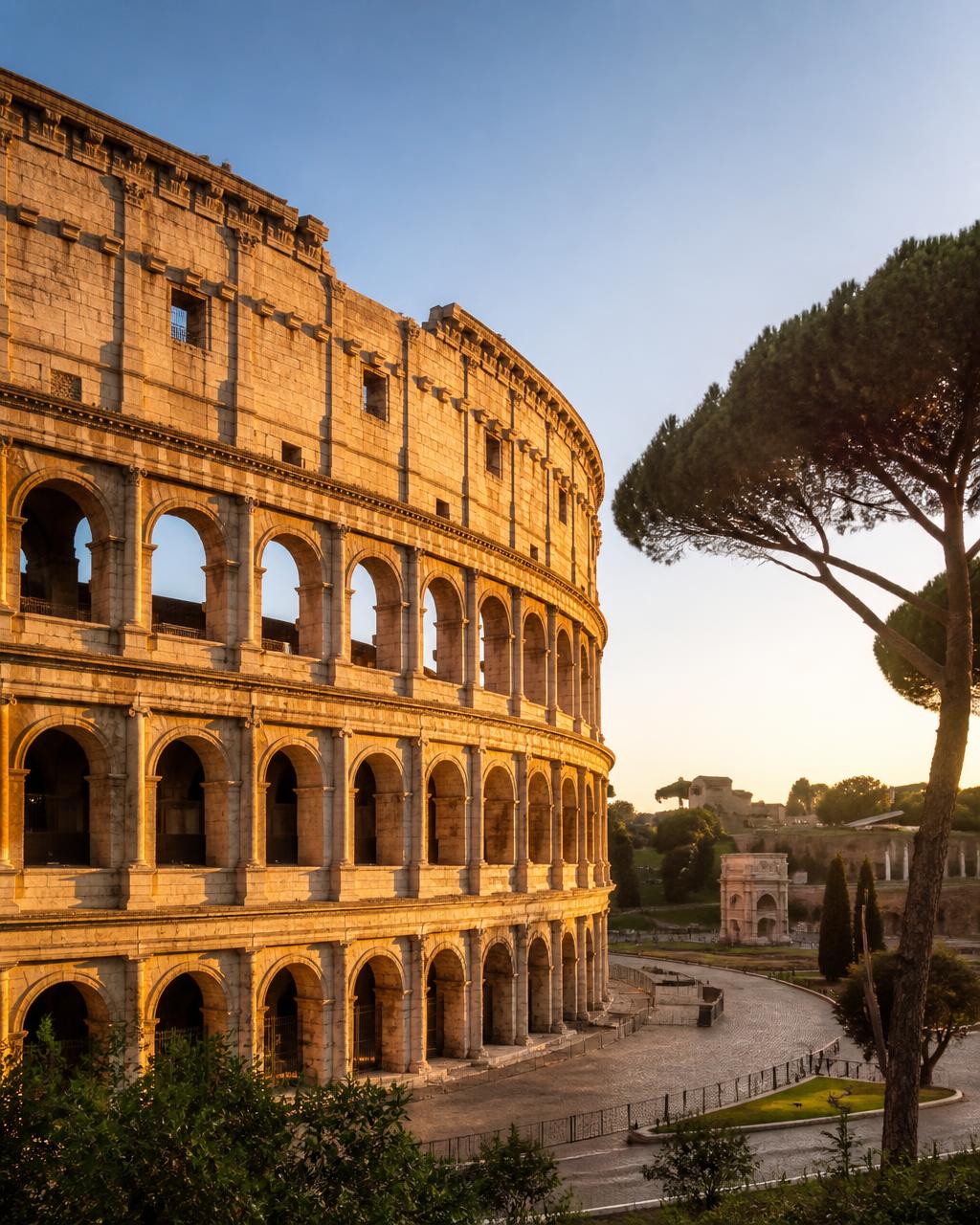
A first trip of ten to twelve nights usually works as Rome, Florence with Tuscany, and Venice or the Amalfi Coast, with travel days kept short. A week is enough for one region done properly, and that almost always beats three regions seen from a coach window.
Allow a rest day every four or five days, particularly if the itinerary includes early starts for museums or archaeological sites. Arrival and departure days should not be counted as sightseeing days.
Tell us how many nights you have and what you care about. The itinerary is the answer, not the starting point.
Caldana product team
Combining regions and getting around
Fast trains connect the main cities: Rome to Florence in ninety minutes, Florence to Venice in two hours, Rome to Naples in just over one. For anything on that line, trains beat driving and beat flying.
Our own coaches and minibuses cover the routes trains do not, the wine roads, the Dolomite passes, the Apulian countryside, and ferries are often quicker than the coast road in Campania and Sicily. A rental car makes sense in the countryside and is a liability in the cities, where historic centres are closed to traffic and fines arrive by post months later.
When you combine regions, move in one direction rather than looping back, and avoid changing hotels more than every two or three nights. Packing time is the hidden cost of an ambitious itinerary.
Coming back a second time
Once Rome, Florence and Venice are done, the interesting part of Italy begins. Puglia, with its trulli, baroque Lecce and long coastline. Sicily, which needs its own ten days. The Aosta Valley and the Dolomites for mountain weeks. The Cinque Terre and the Ligurian coast for walking between villages.
Second trips also suit deeper themes: a week entirely on the Chianti and Montalcino wine roads, a cycling week on Lake Garda, a ski week at Cervinia or on the Sella Ronda, a food itinerary through Emilia-Romagna.
These are the regions where an Italian operator earns its keep, because the hotels are smaller, the producers are family run and the logistics are not something an online booking engine handles well.
What we need from you
Travel dates or a month, the number of travellers and any age ranges, your interests, and the level of hotel you have in mind. That is enough for a first proposal, usually within a couple of working days.
Everything else, from guides and entrance tickets to luggage handling, transfers and 24/7 assistance on the ground, we arrange. We have been doing it from Italy since 1954, for individual travellers and for tour operators and agencies abroad.
If you already have a shortlist of tours, send it over and we will tell you honestly which one fits the time you have, and what to change if it does not.